29 Oct 2026
Charting Intersections of Event Variables and Probability Models in Unified Betting Systems
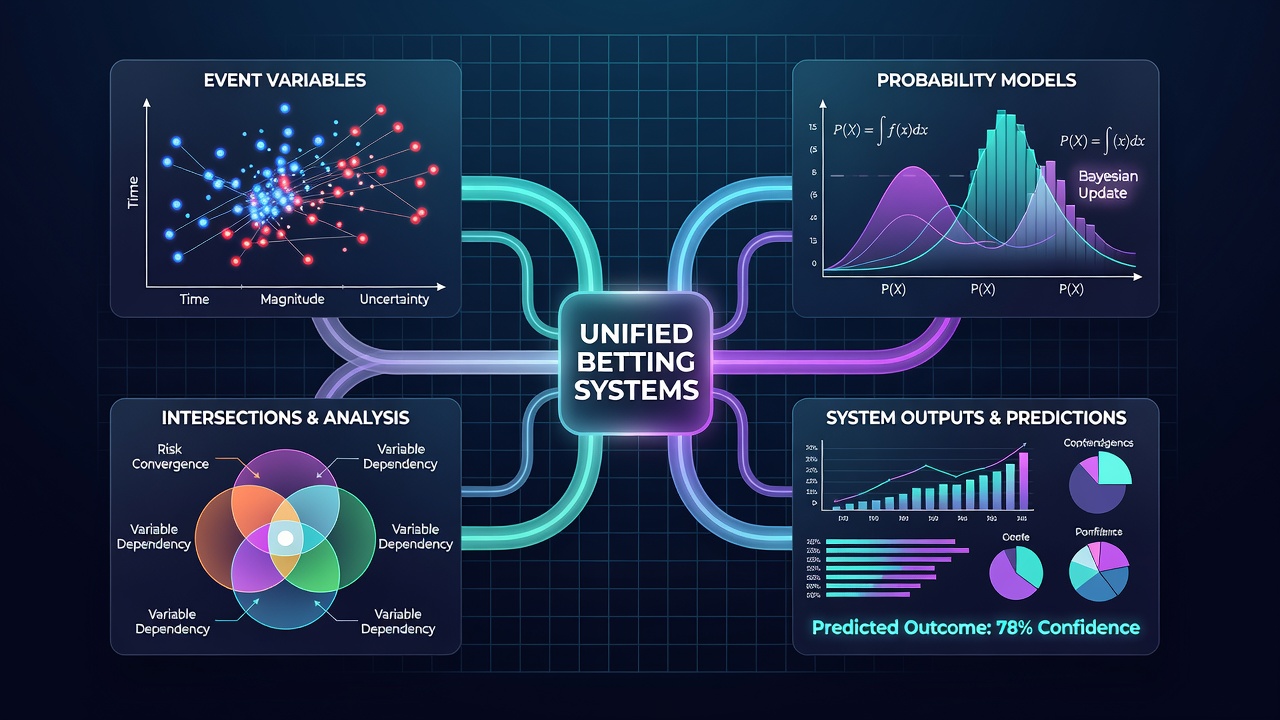
Event variables in sports competitions range from player fatigue levels and weather conditions to historical head-to-head statistics, and these elements feed directly into probability models that power unified betting systems combining athletic wagers with casino-style outcomes. Researchers at institutions tracking wagering patterns have mapped how fluctuations in one variable, such as a sudden injury report, trigger recalibrations across multiple probability engines simultaneously. Data from integrated platforms shows these intersections create layered risk assessments where a single change in real-time inputs alters payout structures for both sports and table game segments.
Defining Core Event Variables in Athletic Contexts
Performance metrics like sprint speeds, possession percentages, and shot accuracy serve as primary inputs, while external factors including venue altitude and referee assignments add secondary layers that models must weigh. Observers note that unified systems process these variables through centralized databases updated every few seconds during live events, allowing probability calculations to adjust without separate silos for sports versus casino components. Figures from major operators reveal that incorporating variables such as crowd noise levels or travel schedules improves model accuracy by measurable margins in multi-category betting environments.
Probability Models and Their Structural Foundations
Bayesian networks and Monte Carlo simulations form the backbone of these models, drawing on historical datasets to generate outcome distributions that account for both discrete sports results and continuous casino probabilities. Studies from research centers in North America indicate that hybrid platforms apply Markov chains to sequence event variables, enabling seamless transitions between predicting a football match score and forecasting roulette wheel distributions within the same user session. Regulatory filings in several jurisdictions document how operators maintain audit trails for these models to ensure transparency when variables shift mid-event.
Mapping the Intersections in Practice
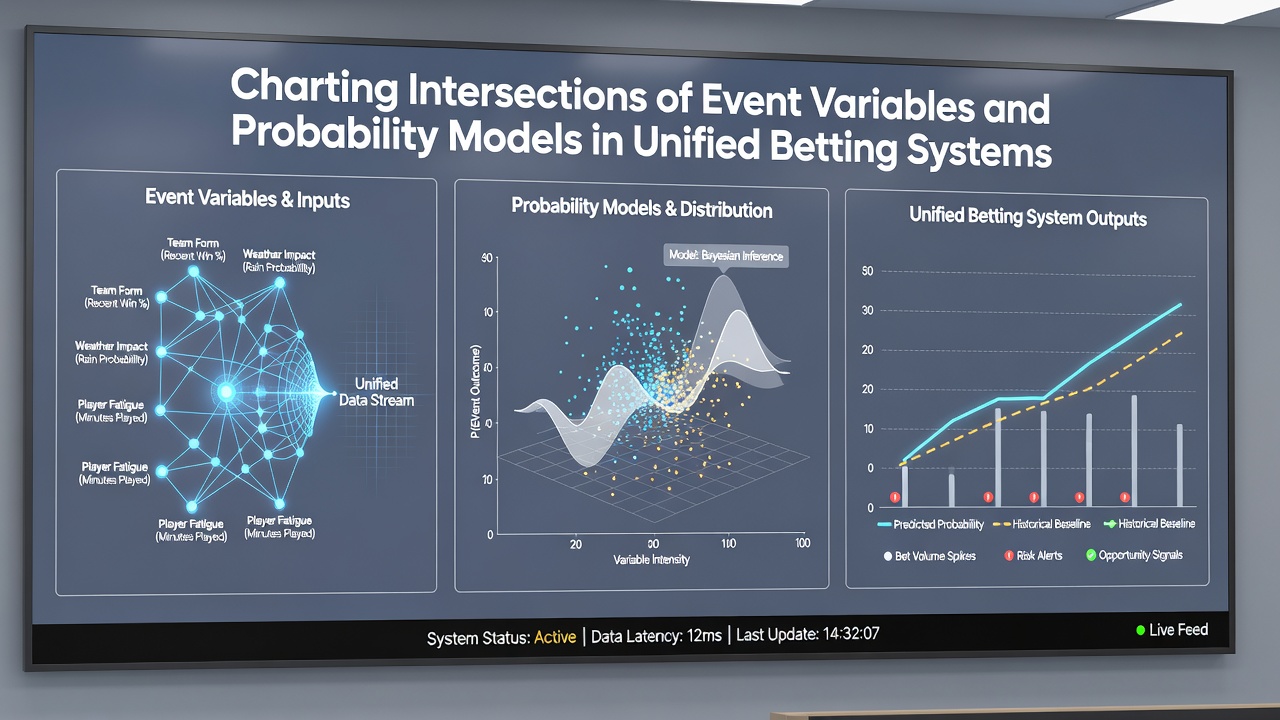
Unified betting environments chart these intersections by creating shared data pipelines where an athletic event variable directly influences casino game odds through algorithmic linkages. Take one platform operator that integrated live basketball statistics with blackjack probability engines; when player substitution rates spiked, the system adjusted side-bet options in connected casino modules within milliseconds. Evidence from industry reports highlights similar setups in European markets where regulatory bodies require documentation of these cross-variable effects to maintain fair play standards.
What's notable is how temporal alignment plays a role, with October 2026 marking the rollout of updated synchronization protocols across several platforms that handle both live sports feeds and casino RNG outputs. Those protocols address latency issues that previously caused discrepancies when event variables updated faster than probability recalibrations could propagate through the unified architecture.
Technical Challenges and Integration Methods
Engineers face hurdles when aligning disparate data formats, such as converting qualitative scouting reports into quantifiable inputs compatible with casino volatility indices. Solutions often involve middleware layers that normalize variables before they enter joint probability frameworks, and testing data from Australian research groups shows these layers reduce error rates in combined wagering scenarios. Yet the process demands continuous validation because a minor misalignment in one variable set can cascade through the entire model structure.
Regulatory and Industry Oversight Patterns
Government agencies in the United States and Canada have issued guidelines requiring operators to disclose how event variables intersect with probability models in unified systems, emphasizing consumer protection through verifiable audit processes. Industry organizations such as the European Gaming and Betting Association have compiled comparative studies across regions that track compliance rates for these hybrid platforms. A paper published through the University of Nevada's gaming research division further details how October 2026 updates in data-sharing standards aim to harmonize variable inputs across borders without compromising proprietary model elements.
One case where experts tracked implementation involved a North American operator linking baseball pitch metrics to video poker outcome probabilities; post-integration analysis demonstrated stable performance across both categories when variable updates occurred in real time. Those findings align with broader trends observed in market data indicating steady adoption of unified architectures that treat athletic and casino elements as interdependent rather than isolated modules.
Conclusion
Charting these intersections reveals a landscape where event variables and probability models operate as interconnected components rather than parallel tracks in unified betting systems. Ongoing developments through 2026 continue to refine the technical bridges that allow seamless data flow, supported by regulatory frameworks from multiple regions and academic examinations of model performance. Platforms that master these connections maintain consistent operational integrity across diverse wagering categories, with documentation requirements ensuring accountability at every stage of variable integration.