17 Sep 2026
Navigating the Overlap Between Athletic Performance Metrics and Casino Game Algorithms in Hybrid Wagering Environments
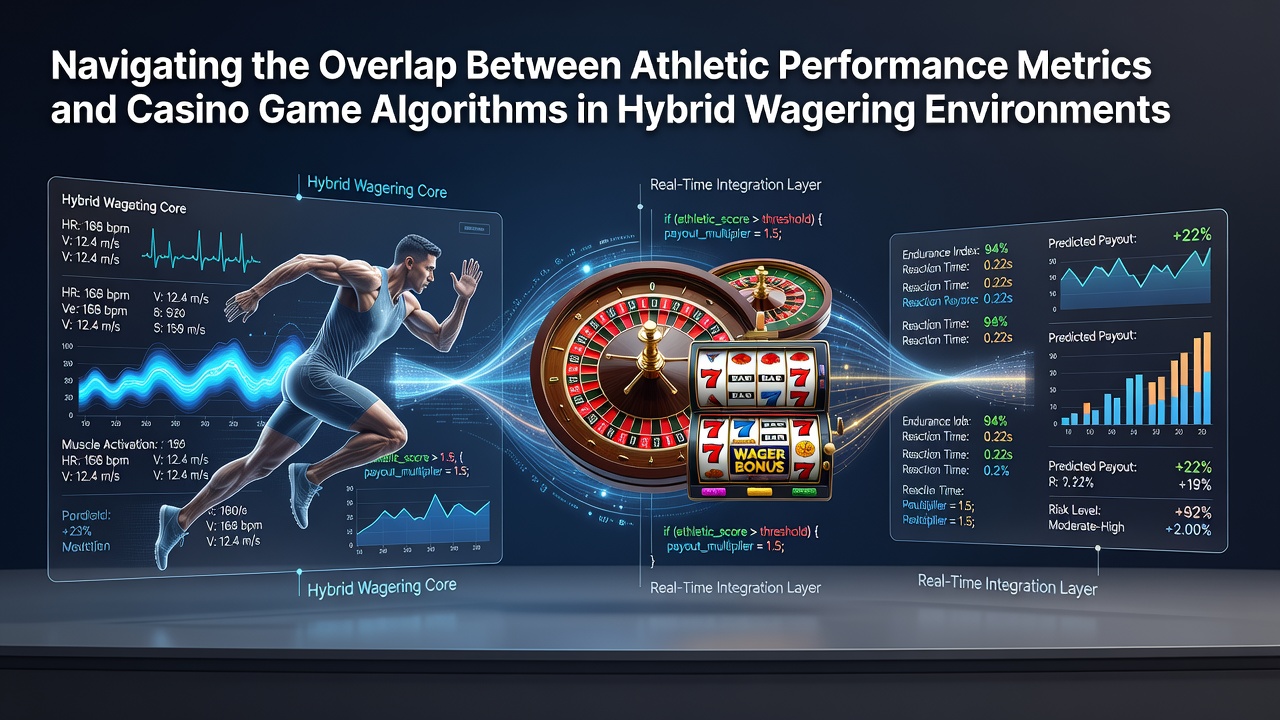
Hybrid wagering environments combine sports betting interfaces with casino game offerings, and data flows between these segments create measurable intersections that platform operators track through shared analytical tools. Athletic performance metrics such as player efficiency ratings, injury recovery timelines, and historical team output percentages feed into odds models, while casino game algorithms rely on certified random number generators and return-to-player calculations that determine payout frequencies over large sample sizes. Observers note that both systems process statistical inputs to generate probabilities, yet one draws from real-world athletic variables and the other from programmed mathematical constants.
Performance Metrics in Sports Betting Systems
Teams and analysts compile datasets that include sprint speeds, shooting percentages, and defensive efficiency scores, and these figures enter proprietary models that adjust line movements before events begin. Research from the Australian Institute of Sport indicates that integration of wearable sensor data has increased the granularity of inputs available to betting operators since the early 2020s. In September 2026 several North American platforms updated their dashboards to display real-time metric overlays that allow users to compare current player form against season-long averages while placing wagers on individual game outcomes or prop bets. Those who study these systems find that the same statistical packages often appear in risk-management modules that monitor unusual betting patterns across both sports and casino verticals.
Algorithm Design in Casino Products
Casino titles operate under regulatory requirements that mandate independent testing of random number generators, and certification bodies verify that each spin or hand meets entropy standards established by gaming laboratories. Return-to-player percentages, typically published between 92 and 98 percent depending on game type, result from fixed probability tables rather than variable external events. Data published by the Nevada Gaming Control Board shows that slot machine audits conducted in 2025 covered more than 4.2 billion game cycles across licensed properties, confirming compliance with approved algorithms. Hybrid platforms apply similar verification protocols to their casino sections while simultaneously feeding live sports data into separate predictive engines.
Shared Analytical Frameworks Across Vertical
Platform operators employ machine learning techniques that identify correlations between user behavior in sports markets and engagement patterns within casino games, and these correlations inform responsible gambling alerts and promotional targeting. A study released by the Responsible Gambling Council of Canada in 2025 examined transaction logs from integrated sites and reported that users who placed bets on both athletic events and slot titles exhibited session durations 18 percent longer than single-vertical participants. Such findings rest on anonymized datasets that regulatory frameworks require operators to maintain for compliance audits. The overlap becomes visible when performance metric dashboards incorporate volatility indicators drawn from casino mathematics, allowing users to view expected variance ranges alongside projected athletic outcomes.
Regulatory and Technical Standards in 2026
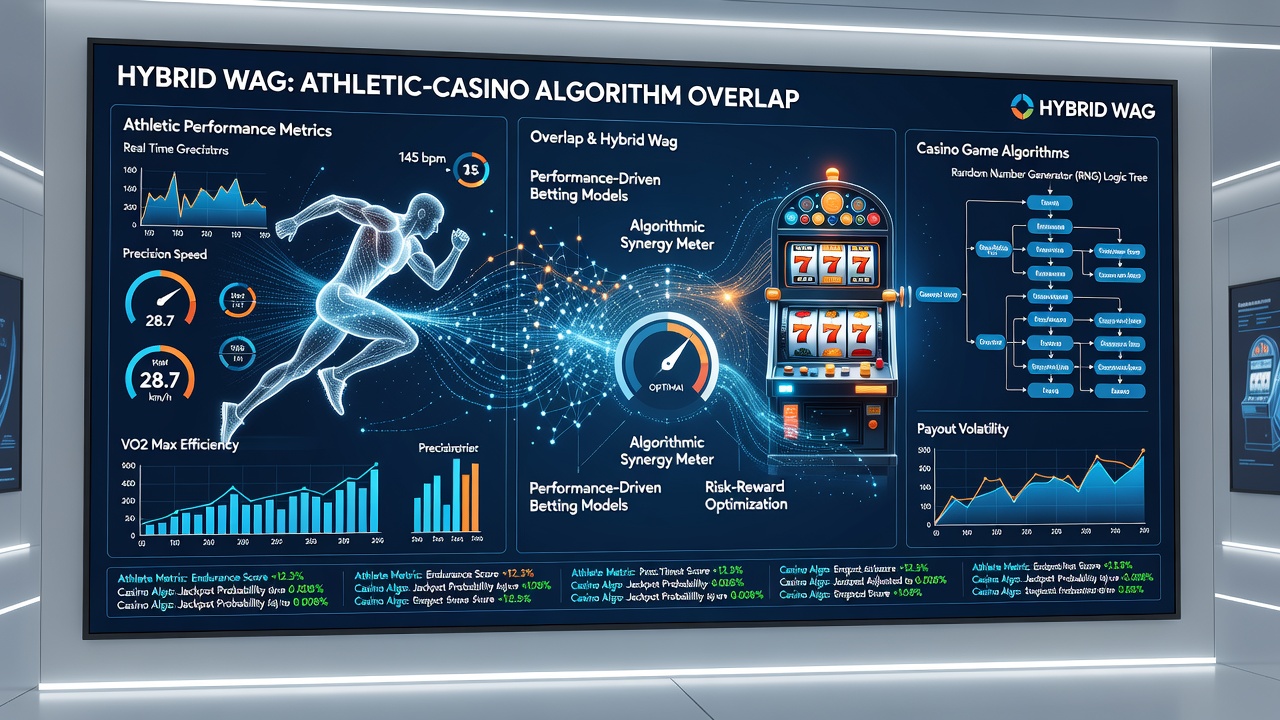
European regulators under the Malta Gaming Authority updated technical specifications in early 2026 to require clearer separation between live sports data feeds and casino random number generator outputs, and these rules took effect for licensed operators by September of that year. Compliance documentation now includes mapping exercises that illustrate how athletic statistics travel through middleware before reaching odds engines, while casino algorithms remain isolated within certified modules. Industry reports from the European Gaming and Betting Association document that 37 member operators completed such mapping projects by mid-2026, reducing the risk of unintended data leakage between verticals. Those who review the resulting architecture diagrams observe that audit trails capture both metric updates from athletic competitions and periodic reseeding events within random number generators.
User Navigation Patterns and Platform Tools
Individuals who move between sports and casino sections encounter unified account dashboards that aggregate performance histories and game session summaries, and these interfaces often display risk indicators derived from both data sources. Platform documentation shows that filters allow users to sort casino titles by volatility bands that mirror the standard deviation metrics used in sports player projections. Case examples from operator transparency reports reveal that educational modules now include side-by-side explanations of how a quarterback completion percentage functions differently from a slot game's hit frequency calculation. External verification of these tools remains subject to periodic review by independent testing agencies that publish summary findings without disclosing proprietary code.
Conclusion
The technical architecture of hybrid wagering environments continues to evolve through parallel development of athletic data pipelines and certified casino algorithms, with regulatory updates in September 2026 reinforcing boundaries while permitting shared user interfaces. Platform operators maintain distinct verification processes for each data type, yet unified analytics layers enable comparative presentation of performance metrics and probability tables. Continued documentation from multiple jurisdictions supports ongoing assessment of how these systems interact within single user accounts, and published figures from government and academic sources provide baseline measurements for future technical refinements.