1 Oct 2026
The Mechanics Behind Fusing Live Athletic Metrics with Casino Probability Engines
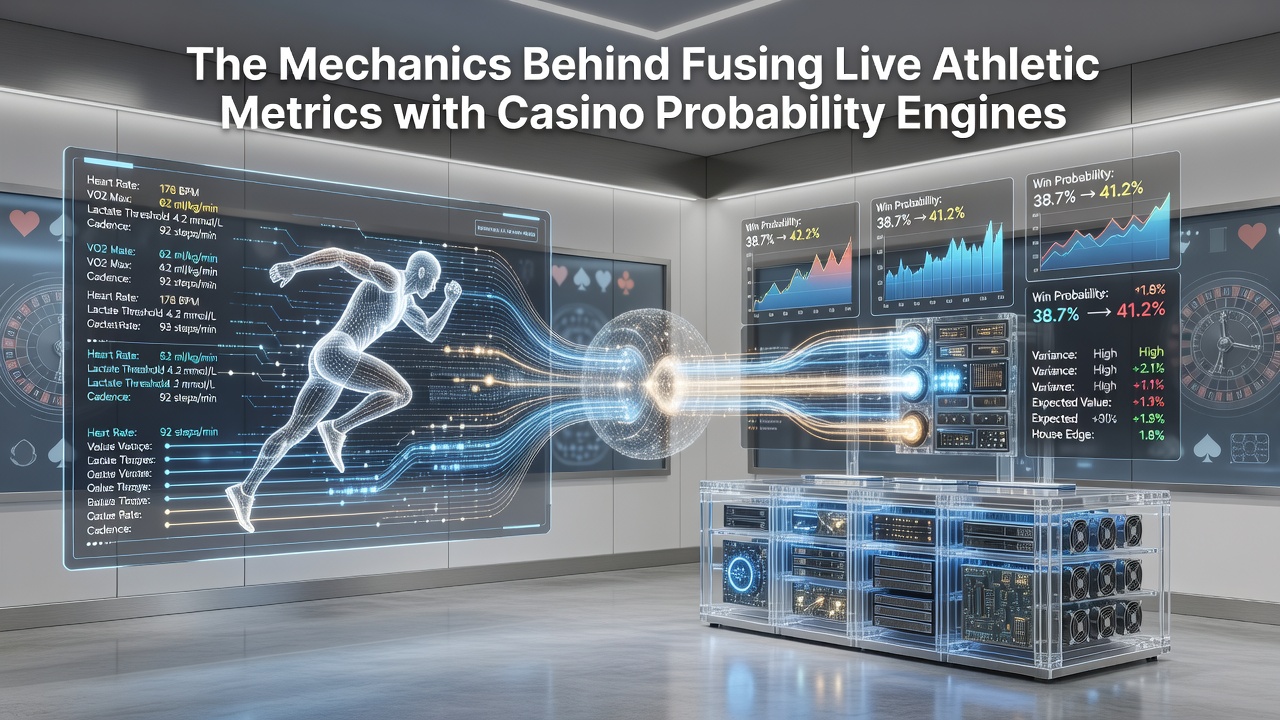
Systems that combine live athletic metrics with casino probability engines operate through layered data pipelines where sensor outputs from athletes feed directly into algorithmic frameworks traditionally reserved for random number generators and payout tables; this fusion creates dynamic odds models that adjust in real time based on physical performance variables rather than static probabilities alone. Observers note that the process begins with wearable devices and court-side tracking systems capturing continuous streams of information such as velocity, heart rate variability, and movement patterns, which software then normalizes before routing into the core calculation layer of the probability engine.
Data Acquisition from Athletic Sources
Live athletic metrics originate from multiple hardware layers including GPS units embedded in equipment, optical cameras positioned around venues, and biometric sensors worn by participants, all of which transmit at frequencies between 10 and 100 hertz depending on the sport and regulatory requirements in place. Research from institutions in Australia has documented how these feeds undergo initial filtering to remove noise before conversion into standardized variables that probability engines can process without latency spikes. In October 2026 several North American venues completed upgrades to 5G-enabled sensor networks that reduced transmission delays to under 50 milliseconds, allowing the probability models to recalculate outcomes between plays or during continuous events like races.
Core Structure of Casino Probability Engines
Casino probability engines rely on mathematical constructs such as Markov chains for sequential events and Monte Carlo simulations for multi-variable scenarios, with house edges maintained through fixed payout ratios that operators adjust only under strict oversight from bodies like the Nevada Gaming Control Board. When athletic data enters this environment the engine treats incoming metrics as additional random variables that shift the distribution curves, for instance converting a player fatigue index into a modifier that alters the likelihood weightings previously assigned to discrete outcomes. Those who have examined the architecture describe the integration as a hybrid where traditional RNG outputs serve as the baseline while live inputs provide the variance layer, ensuring compliance with fairness standards across jurisdictions.
Integration Mechanisms and Real-Time Processing
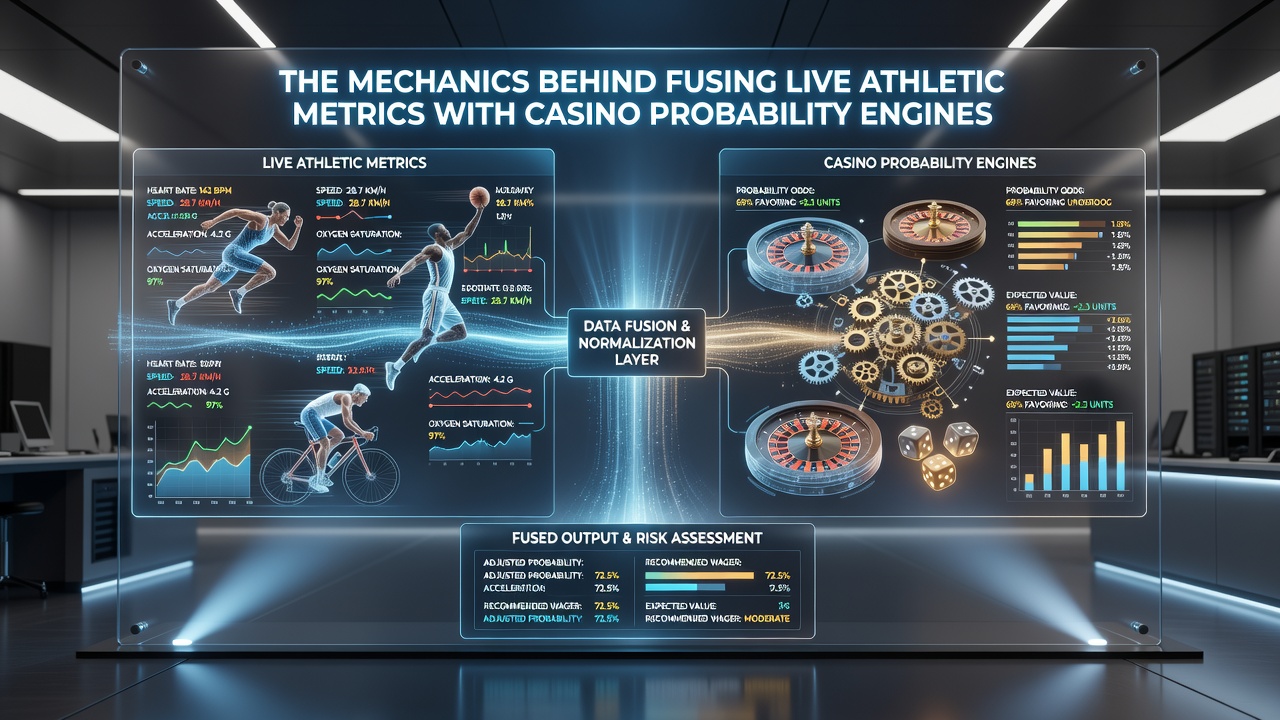
The actual fusion occurs in middleware modules that apply machine learning models trained on historical performance datasets to map athletic metrics onto probability tables, after which the system generates updated betting parameters every few seconds or at event triggers such as a change in player position. Engineers achieve this by embedding the athletic data as feature vectors within the same neural network architecture used for volatility calculations, allowing the engine to output revised odds or game parameters without restarting the entire simulation cycle. Data shows that successful implementations maintain audit logs of every input transformation so regulators can verify that no external manipulation has occurred during the adjustment process.
Algorithmic Adjustments and Compliance Layers
Once fused, the system applies compliance filters that cap the influence of any single athletic metric to prevent extreme swings that could violate maximum payout regulations, a safeguard documented in technical standards issued by Canadian provincial authorities. Operators configure these limits through configurable thresholds so that even if an athlete's heart rate data indicates unusual exertion the probability engine cannot shift the house edge beyond predefined boundaries. In practice this means the athletic inputs modulate rather than override the base casino mechanics, preserving the structural integrity of games while introducing performance-based variability that participants observe through changing multipliers or outcome probabilities displayed on interfaces.
Case Examples from Hybrid Environments
One documented deployment in European venues integrated tennis serve speed metrics with a virtual roulette probability engine, where higher average serve velocities slightly increased the chance weighting for certain number clusters on the wheel simulation; researchers at the University of Sydney tracked the implementation and found the adjustments remained within statistical tolerances required by local licensing frameworks. Another instance involved basketball player tracking data modulating slot machine bonus round frequencies, with the engine recalibrating reel stop positions based on real-time fatigue estimates derived from court movement patterns. These examples illustrate how the fusion stays confined to probability weighting rather than introducing deterministic outcomes, a distinction that keeps operations aligned with existing gaming statutes.
Future Technical Considerations
Advancements projected through late 2026 include tighter integration with edge computing nodes placed directly at venues, which would further compress the time between metric capture and probability recalculation to near-instantaneous levels while reducing bandwidth demands on centralized servers. Industry reports from the European Gaming and Betting Association indicate continued focus on encryption standards for the data pipelines to ensure biometric information remains isolated from personal identifiers during processing. Those monitoring the sector note that scalability depends on standardized data formats across different sports so that a single probability engine can accept inputs from football, motorsport, and combat events without custom reprogramming for each discipline.
Conclusion
The mechanics of fusing live athletic metrics with casino probability engines rest on established data pipelines, machine learning mapping, and regulatory guardrails that together allow real-time modulation of traditional gaming probabilities. Continued refinement in sensor technology and processing speed will likely expand the range of variables these systems can incorporate, yet the foundational requirement remains that all adjustments preserve verifiable fairness under the oversight of multiple international regulatory frameworks.